Farmer education

Learn buckwheat & beekeeping

Simple, practical guides for first-time growers. Open a lesson, follow the steps, and ask our team on WhatsApp if you get stuck.

10–12weeks, planting to harvest
Poor soiltolerated, but needs drainage
Sickleall you need to cut it
1Choosing land & preparing the soil
  • Pick a well-drained field. Buckwheat dislikes waterlogging.
  • It copes with modest soils, so heavy fertiliser is rarely needed.
  • Clear weeds and prepare a fine, even seedbed.
Start small on your first season — a well-managed acre teaches more than a neglected five.
2Planting
  • Sow when the soil is warm and the rains are established.
  • Broadcast or drill the seed evenly and cover lightly.
  • Use the seed supplied by Sichican — it is the variety we will buy back.
3Flowering & care
  • Buckwheat flowers quickly and keeps flowering over weeks.
  • Keep weeds down while plants are young; the crop soon shades them out.
  • Bees love the blossoms — a good reason to keep hives nearby.
4Knowing when to harvest

Buckwheat ripens unevenly — flowers and seed can be on the plant together. Harvest when most of the seed has turned brown.

Watch the seed heads, not the calendar. Waiting for every seed to ripen means losing the early ones to shattering.
5Harvesting with a sickle
  • Cut the plants with a sickle (jeko) close to the ground.
  • Lay them on a tarpaulin or clean sheet to dry for several days.
  • Handle gently to keep seed from dropping.
6Threshing, cleaning & storing
  • Once dry, thresh the seed out — beating on a sheet works for small plots.
  • Winnow to blow away chaff, then sort out debris.
  • Store fully dry seed in clean, dry bags off the ground, away from pests.
Deliver clean, dry grain to Sichican — quality is what earns you the best result at buy-back.

General guidance only. Follow your Sichican field officer’s advice for your area and variety.

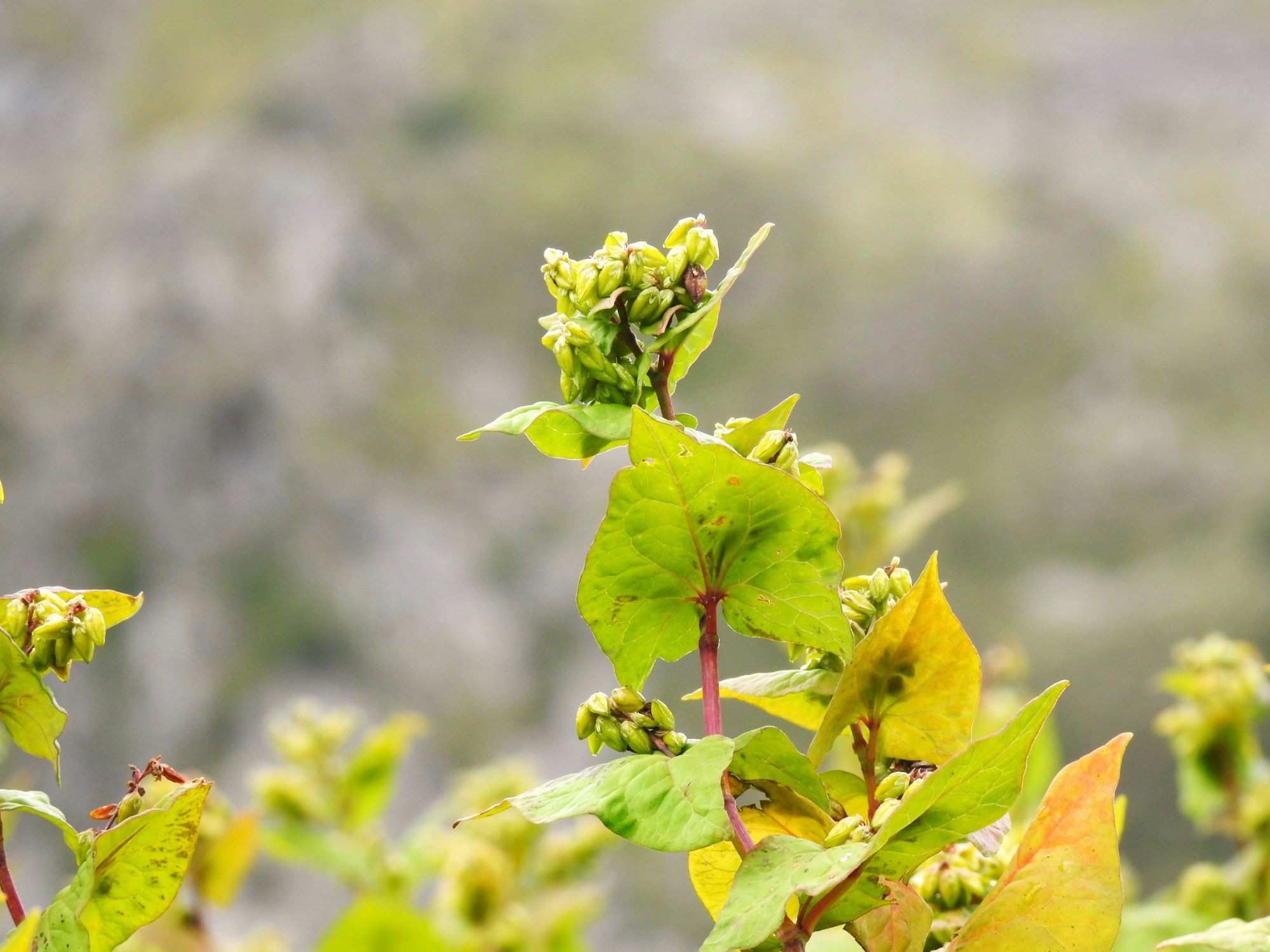
Buckwheat plant with green seed clusters, nearly ready for harvest

Ready to put this into practice?

Join the programme and get inputs, training and a buyer for your harvest.

Enrol as a farmer →